Large-scale protest and social movements are nothing new in Iran. From the 1979 Islamic revolution forward, the sanctions-hobbled country has experienced ripples and waves of demonstrations, including 2009's Green Movement, general strikes in 2018-2019, the Mahsa Amini/Woman.Life.Freedom protests of 2022–2023, and now the current crisis, the largest mass protests since 1979, which began at the tail end of December and have erupted across the country with an estimated 12,000+ protestors being killed as of this week. What makes this wave of protest different from previous ones? How is the powder-keg convergence of internal socio-economic and human rights pressures and external geopolitical pressures shaping the course of this crisis? What options are Iran’s leaders faced with in this moment? What could further U.S. intervention look like and what might conflict and potential regime-change mean for the region?
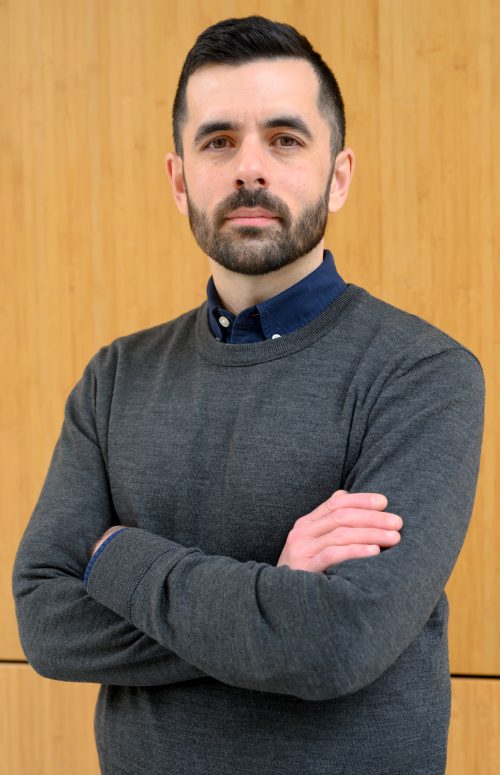
Join us for a candid, rapid-response look at this seismic, quickly evolving issue with Robert Asaadi, Portland Community College professor and author of Postrevolutionary Iran: The Leader, the People, and the Three Powers.
Robert Asaadi is a professor of political science at Portland Community College and previously taught at Portland State University. He is the author of the book Postrevolutionary Iran: The Leader, the People, and the Three Powers (2021) highlighting the complexities of Iran, its leaders and people. Asaadi serves as Portland Community College’s chair of the Internationalization Steering Committee and is the faculty advisor for the West Coast Model European Union. He holds a doctorate and master’s degrees in Political Science from the University of Minnesota and a bachelor’s in Political Science from the University of Iowa.